Season of Creation 2026: Living Water

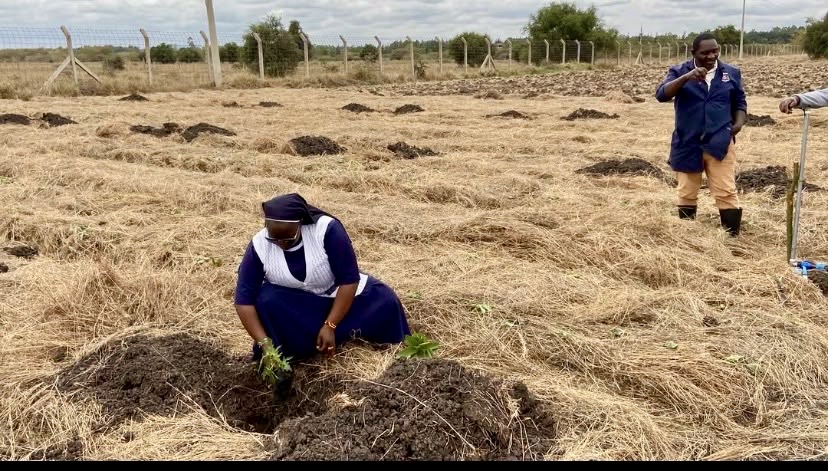
September is a special month in the life of the Church. From 1 September to 4 October, Christians throughout the world celebrate the Season of Creation, a time of prayer, reflection, and action in response to God’s gift of creation. This year’s theme, “Living Water,” drawn from Ezekiel 47:1–12, invites us to contemplate God’s life-giving presence, which renews the earth, heals wounded ecosystems, and restores hope to humanity.

For us, the Missionary Sisters of the Holy Rosary, the Season of Creation is not simply an environmental campaign; it is a call to deepen our missionary vocation. It challenges us to recognise the sacredness of creation, to hear both the cry of the earth and the cry of the poor, and to respond with faith-filled action. Our spirituality as Holy Rosary Sisters is rooted in the vision of our founder, Bishop Joseph Shanahan. He was a missionary who possessed a profound awareness of God’s presence in all of life. His active-contemplative spirituality invites us to encounter God not only in prayer but also in the people we serve and in the beauty of creation itself. He often emphasised the importance of a deep inner life, united with the living God and expressed through loving service.

Today, the Missionary Sisters of the Holy Rosary continue this legacy by striving to make God’s love visible “to the most vulnerable and to all of creation.” Our missionary identity calls us to go beyond boundaries and work for the flourishing of both humanity and the earth. As women religious living in intercultural communities and serving in diverse ministries, we witness daily how environmental degradation affects the lives of the poor. Deforestation, polluted water sources, climate change, droughts, floods, and extreme heat disproportionately affect vulnerable communities.

The care of creation, therefore, is inseparable from our commitment to justice, human dignity, and evangelisation.

Learning from Bishop Shanahan

Although Bishop Shanahan lived long before today’s ecological crises, his writings and missionary approach offer valuable guidance.

1.⁠ ⁠Reverence for God’s Presence in All Things

Shanahan’s spirituality was centred on the conviction that God is present and active in creation. His deep union with God enabled him to see the world through the eyes of faith. Such a perspective encourages us to treat the earth not as a possession to exploit but as a gift entrusted to our care.

2.⁠ ⁠Respect for Human Dignity

One of Shanahan’s greatest contributions was his commitment to promoting the dignity of every person, especially women and marginalised communities. He founded the Holy Rosary Sisters to participate in this mission of empowerment and service. Today, environmental destruction threatens human dignity, particularly among the poor who depend directly on the land and water for survival. Caring for creation, therefore, becomes an expression of our commitment to human dignity.

3.⁠ ⁠Missionary Responsibility

Shanahan believed that missionaries should be agents of hope and transformation. In our time, this mission includes promoting ecological awareness, sustainable living, and environmental justice. As his daughters, we are called to witness to the Gospel by protecting God’s creation and encouraging others to do the same.

“Living Water”: A Call to Ecological Conversion

The theme “Living Water” reminds us that water symbolises life, healing, and God’s grace. In Ezekiel’s vision, a river flows from God’s sanctuary, bringing life wherever it goes. Dead lands become fertile, barren places flourish, and communities are renewed.

This biblical image challenges us to ask:

•⁠ ⁠Are we protecting the sources of life that God has entrusted to us?
•⁠ ⁠How do our lifestyles affect the environment?
•⁠ ⁠What can we do to ensure that future generations inherit a healthy planet?

For Holy Rosary Sisters, “Living Water” also symbolises the living grace we receive through prayer, Eucharist, and mission. Just as water nourishes the earth, our relationship with Christ should inspire actions that bring healing to creation and hope to the vulnerable.

Practical Responses for Holy Rosary Communities

The Season of Creation calls for concrete action. Holy Rosary communities can respond by:

•⁠ ⁠Deepening prayer for creation during community liturgies and Rosary devotions.
•⁠ ⁠Planting and caring for trees within convents, schools, hospitals, and parishes.
•⁠ ⁠Conserving water and energy resources.
•⁠ ⁠Reducing waste and promoting recycling.
•⁠ ⁠Educating young people about environmental stewardship.
•⁠ ⁠Supporting renewable energy initiatives and sustainable development.

These actions powerfully express our missionary charism and our commitment to the Gospel.

Conclusion

As we celebrate the Season of Creation 2026, may we draw inspiration from the example of Bishop Joseph Shanahan and the rich spirituality of the Missionary Sisters of the Holy Rosary. May we recognise creation as God’s gift, entrusted to our care. May the “Living Water” of God’s Spirit renew our hearts, strengthen our missionary commitment, and empower us to become faithful stewards of our common home.

In the words of the Season of Creation theme, may we allow God’s living water to flow through our lives, bringing healing, justice, and hope to the earth and to all God’s people.

Author: Sr. Busingye Aurelia, MSHR

Follow us
A Call to Ecological Consciousness and Unity: Holy Rosary Sisters Congregational Leader’s Feast Day Message

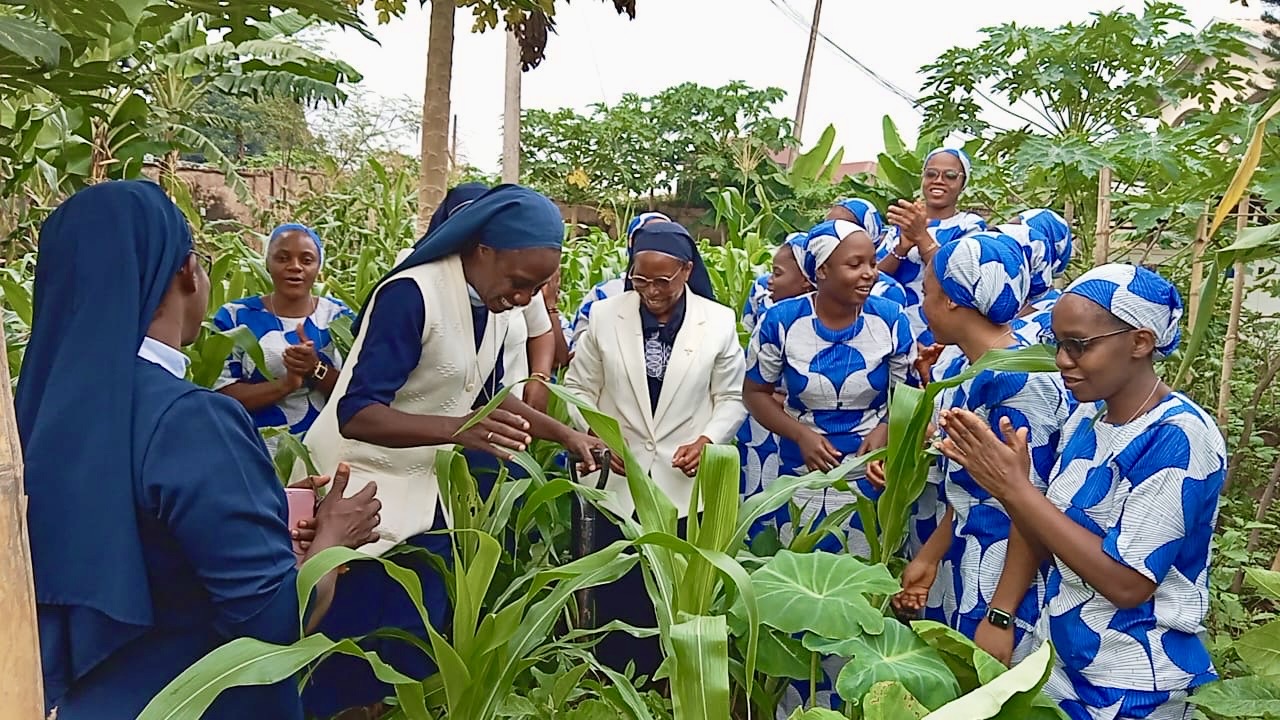
Sr. Franca Onyibor, Congregational Leader with the Novices.

In her message to the Missionary Sisters of Our Lady of the Holy Rosary (MSHR), ahead of their Feast Day which is celebrated by the Church every 7th October, the Congregational Leader, Sr. Franca Onyibor, has called upon the Sisters to be ecologically conscious and remain united, amidst current realities.

This call came just a few days after the close of the Season of Creation which was launched on September 1, celebrated as World Day of Prayer for the Care of Creation and ended on October 4, 2026, the feast of St. Francis of Assisi.

In her message, the Leader shared with the Sisters a documentary she had watched during the Season of Creation, featuring Joanna Macy, who described this time as the ‘Great Turning’. She was inspired by the message as it filled her with the realisation and hope that humanity is slowly awakening to a new way of relating to one another, the earth, and the whole universe.

The MSHR Leader celebrated the fact that such awakening was already happening in a quiet way in many places, even among the Holy Rosary Sisters, especially evident in their little gardens, in how they care for one another, and in the simple choices they make to be truly present with each other, and to those they are privileged to serve.

“As I look from my window at our little organic garden, lovingly started by one of us, I am filled with gratitude as I watch the variety of vegetables flourishing through love, care, patience, and hope.  These thriving vegetables remind me each morning to slow down, give thanks, and cherish the gift of my sisters and our common home,” she celebrated.

Further inspired by stories from the Laudato Si Movement, with young Catholics in the Democratic Republic of Congo cleaning their communities, protecting water, planting trees, and tackling plastic waste, and how  young people from 40 Parishes in Kampala, Uganda learned about integral ecology and shared it in their communities, Sr. Franca expressed the wish that such stories may also emerge from the countries where Holy Rosary Sisters work with young people, creating opportunities for them to join this growing movement of hope to heal our common home, which in turn cares for the poor and most vulnerable.

The Congregational Leader in her message further drew the awareness of the Sisters to the interconnectedness of all of life. “We are part of one web of life; what happens to one affects us all. When I pray the ‘Our Father’” I am reminded that ‘our’ embraces everyone and all creation-the people I meet on the streets, Muslims, Hindus, Buddhists and Christians, my sisters in community, and our Common Home,” She buttressed.

Alluding to the Lord’s Prayer “that they may all be one,” Sr. Franca called on the Sisters and on all, to awaken to oneness and let the awareness open their hearts to one another as sisters and brothers of the human family, beyond the boundaries of tribe and ethnicity, race, culture, nationality, or religion.

She also referenced Richard Rohr, who in his recent reflection on nonviolent resistance reminded all that living interconnectedness, inclusion, and unity in diversity is itself a form of nonviolent resistance in a world that often divides and excludes, based on country, tribe, race, culture, generation or religion. To live as Jesus did, he said, requires hearts deeply rooted in the universal God of all peoples, from which space they could then cherish their tribes, culture, countries and religion, while at the same time learning to become bridges of unity and communion.

For Sr. Franca, the annual Season of Creation was another sign of the human awakening as Christians around the world united in prayer and action for the Common Home, recognising that the wellbeing of the earth is deeply connected with theirs, especially that of the poor.

“During the Season of Creation, I chose to slow down, feast my eyes on the many shades of green around our compound, and pause to notice the uniqueness of each human face. This simple practice has helped me to encounter the God who delights in diversity – in nature, in our faces, cultures, languages and traditions,” she testified.

The Leader further drew the attention of the Sisters to Pope Leo XIV’s Encyclical, Magnifica Humanitas, which reminds humanity that their differences are gifts that can enrich communion and that their futures are deeply interconnected. She called on the Sisters to become more intentional about nurturing inclusion and unity in the rich MSHR diversity. Also, following the call in Pope Leo’s Encyclical, she invited all to join the growing voices bidding for a slowdown to further development of Artificial Intelligence, until safeguarding legislation is in place.

Sr. Franca encouraged the Sisters to work towards building a Congregation where their differences become a gift rather than a source of division, upholding that unity in diversity is one of the most powerful ways to live and witness the Gospel in recent times.

In the Spirit of the Holy Rosary Feast, she invited the Sisters to draw close to Mary of Nazareth, “our sister and mother… a woman with an open and inclusive heart; one whose love mirrors the tender heart of her Son,” she expressed, maintaining that Mary is ever present in their joys and struggles. “With Jesus, she is close to us in the fears and uncertainties of these times—in the pain of wars, political turmoil, the fear of kidnapping and displacement, natural disasters, our personal aches and pains, and in the ordinary moments that make up our lives. She walks with us as a mother who understands”.

Resonating with Pope Francis’ call for a ‘revolution of tenderness,’ Sr. Franca prayed that all MSHR Communities and places of ministry may be filled with an abundance of tenderness – towards themselves, toward one another, and toward those  they serve, especially as they mark this year’s Feast.

The Congregational Leader, in deep gratitude to God, celebrated the growing diversity of the MSHR family, especially noted in this year, 2026: 14 young women from Kenya, Uganda, Sierra Leone, Togo, Benin Republic and Nigeria began their formation in the East and West African Candidacies, 5 Candidates entered the Novitiate, 6 Novices will make First Profession this October, 5 Sisters have made Final Profession, and 13 Sisters are celebrating various Jubilees.

She also prayed for the eternal repose of 6 MSHR who have departed from this world since the last Feast Day, and for Divine consolation on all who grieve.

At the end of her Feast Day Message, the MSHR Congregational Leader extended a blessing of their Founder, Bishop Joseph Ignatius Shanahan, CSSp upon the Sisters which read thus:

“May God grant you the grace, the great missionary grace of being so united by love to Him, that you may be in His Divine hands, the means of ever bringing nearer to Himself all those that come near to you.  God grant that every human being who meets you may also meet God living in you”. (Inspirational extracts, p. 21).

Author: Sr Sylvie Lum Cho, MSHR.

A Joyful Silver Jubilee Celebration

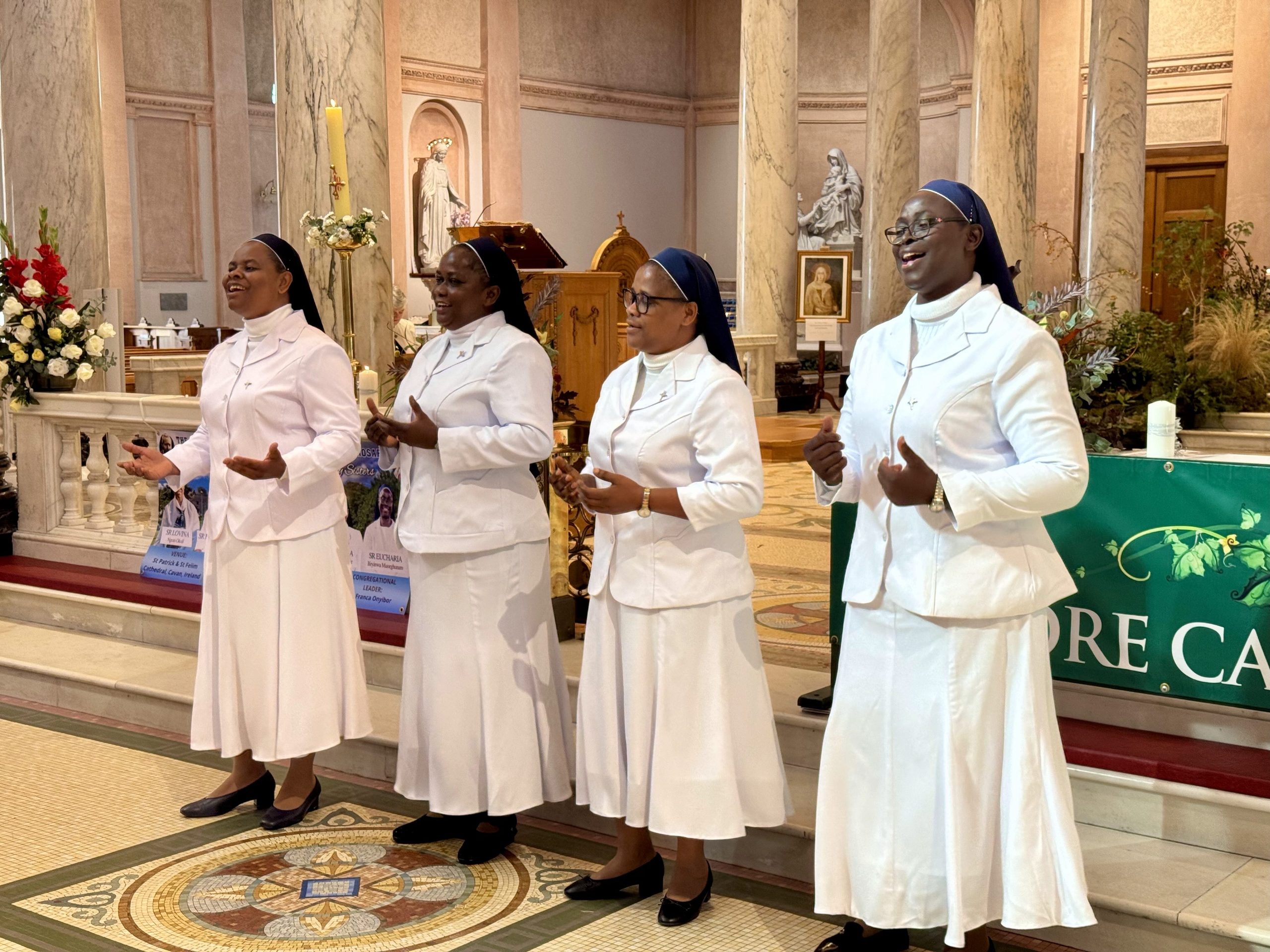
The Silver Jubilarians sang their song of thanksgiving after renewing their vows.

Twenty-five years ago, four young women, along with some others, made a commitment that would take them into communities, ministries and places they could not yet have imagined.

On Saturday, 3 October, Sr Mary Kemjei, Sr Ngozi Okoli, Sr Angela Akeje and Sr Eucharia Muoegbunam stood together in the Cathedral of Saints Patrick and Felim in Cavan and renewed that commitment as they celebrated their Silver Jubilees as Missionary Sisters of the Holy Rosary. It was a day filled with music and joy.

And there was a little surprise too.

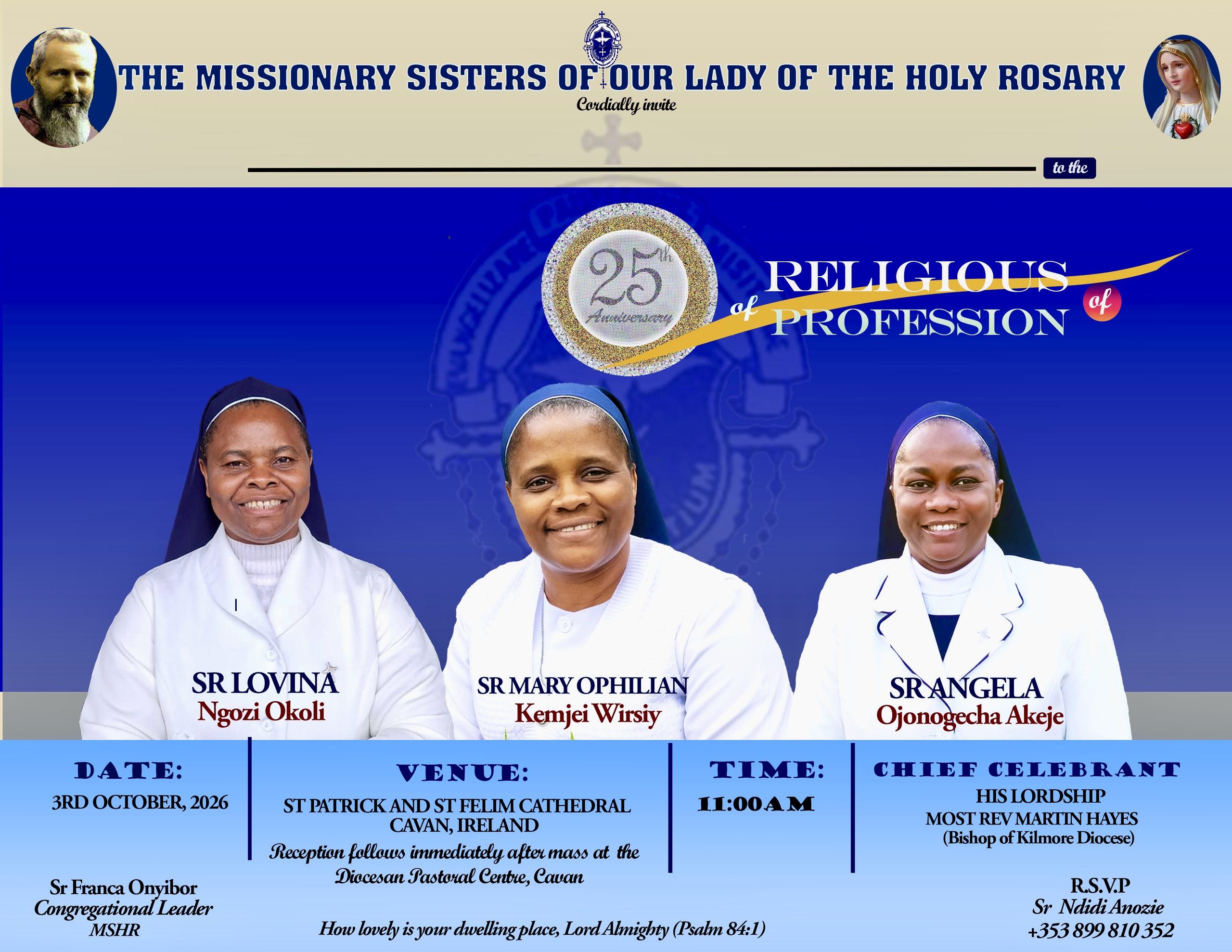
The programme for the celebration showed three Jubilarians. But just two days before the Mass, Sr Eucharia arrived in Ireland, beginning a period of sabbatical following her service as Regional Leader in Southern Nigeria. Suddenly, three became four. Welcoming everyone to the celebration, the Congregational Leader spoke of a heart “full of joy” and turned directly to the Jubilarians: “Dear Sisters, this is your day. We rejoice and celebrate with you. Congratulations.”

The people behind the journey

The welcome also recognised something easily forgotten when celebrating a Jubilee: no vocation is lived alone. There were Sisters who had encouraged and nurtured the Jubilarians’ vocations many years ago. There were family members and friends who had supported them along the way. There were co-missionaries, collaborators and friends in mission, as well as people from the communities in which the Sisters have lived and served. Among those welcomed were past pupils of Holy Rosary School in Cameroon who had travelled from the United States to be present for the celebration. There was also a tender remembrance of family members and friends who could no longer be there in person; some, the Congregational Leader said, were watching the joyful occasion “from heaven.”

The Word at the centre

One of the most striking moments of the Jubilee Mass came before the Liturgy of the Word.

Young people from the parish, representing different nationalities, took part in the enthronement of the Word of God, accompanied by song, music and dance as the Book of the Gospels was carried forward. The ritual, common in Cameroon and some parts of Africa, expresses reverence for the Word of God and the central place it holds in Christian life. Rather than simply carrying the Gospel into place, its arrival is announced and celebrated in song and movement before the Scriptures are proclaimed.

In Cavan, the participation of young people from different nationalities gave the tradition another layer of meaning. An African expression of faith was shared within an Irish cathedral by young people from different cultural backgrounds — a simple but powerful expression of a Church enriched by the gifts people bring from many places.

Music remained an important part of the celebration. The African Priests and Religious in Ireland (APRI) Choir joined with the Cathedral Parish Choir, bringing together different voices and traditions throughout the Mass. Their singing was more than accompaniment to the liturgy. The two choirs singing together reflected something at the heart of the day itself: synodality, collaboration and a shared mission.

Renewing the promise

At the heart of the Jubilee was a deeply significant moment. Twenty-five years after first making their profession, Sr Mary, Sr Ngozi, Sr Angela and Sr Eucharia once again renewed their vows of poverty, chastity and obedience. It was a public renewal of the commitment that has shaped their lives as Missionary Sisters of the Holy Rosary. After renewing their vows, the four Sisters sang a song of thanksgiving, a fitting response to a journey they recognise not simply as their own achievement, but as a gift received and lived with God and with others. In the lead-up to the celebration, one of our Jubilarians, Sr Mary, had reflected on this understanding of vocation: “I have come to learn that my vocation is a gift of a generous God to an undeserving soul. The Lord, for reasons known to him, called me and still calls me, enabling me to answer through the ministry he entrusts to me.” She described herself as being like clay in the hands of the potter, learning to remain open to where God might lead. Looking towards the future, she added: “What gives me hope is that the God who initiated this journey has stayed with me and assures me that he will never leave me alone.”

Joy that awakens joy

Celebrating the Jubilee Mass, Bishop Martins Hayes reflected on the missionary vocation and the generations of people whose faith and service have made the journeys of these Sisters possible. One line addressed to the Jubilarians captured something of the spirit of the day: “May your joy in the Lord reawaken our joy.” There was plenty of that joy to be seen throughout the celebration. The Mass took place in Cavan, where the story of the Missionary Sisters of the Holy Rosary began more than a century ago. It was here that Bishop Joseph Shanahan founded the Congregation in 1924, and from here the first Sisters prepared to leave for mission.

More than a century later, that missionary story continues to be written in the lives of Sisters from different countries and cultures.

Reception

The celebration continued after Mass with photographs, food, music and time together.

The APRI Choir once again brought music to the gathering, while guests were invited to share something of their own vocation stories. It became an opportunity not only to celebrate four Jubilarians, but also to hear something of the many different ways in which people have responded to God’s call in their lives. There was a particularly warm connection with the Jubilarians’ early years when the Jubilee cake was cut. Leading that moment was a former member of their formation group who had begun the journey alongside them before later following a different path. Now married and living in the United States, she had returned to celebrate with her former companions.

It was one of those moments that seemed to capture the day: lives taking different paths, friendships enduring, and people coming together again with gratitude for the journey they once shared.

The ‘yes’ continues

A Jubilee gives us reason to look back with gratitude, but it is not an ending. For Sr Mary, Sr Ngozi, Sr Angela and Sr Eucharia, the celebration was another moment of saying yes, bringing with them everything the past 25 years have taught them while remaining open to where God may lead next. And Bishop Martin’s reminder was not only for the four women standing before the congregation: “We’re all missionaries.”

So, we give thanks for Sr Mary, Sr Ngozi, Sr Angela and Sr Eucharia; for their families and friends; for the Sisters who nurtured their vocations; and for the communities, co-missionaries and collaborators who have shared their journeys.

From the Word of God welcomed in song and dance, to vows renewed, voices joined in song, vocation stories shared, and old friendships reunited, the Jubilee was a celebration not only of where these four Sisters have been, but of the faith and relationships that continue to carry them forward. May the joy of their Silver Jubilee remain with them as the journey continues.

Author: Sr. Linda Ugwu, MSHR.

Three Missionary Sisters Prepare to Celebrate 25 Years of Religious Vows

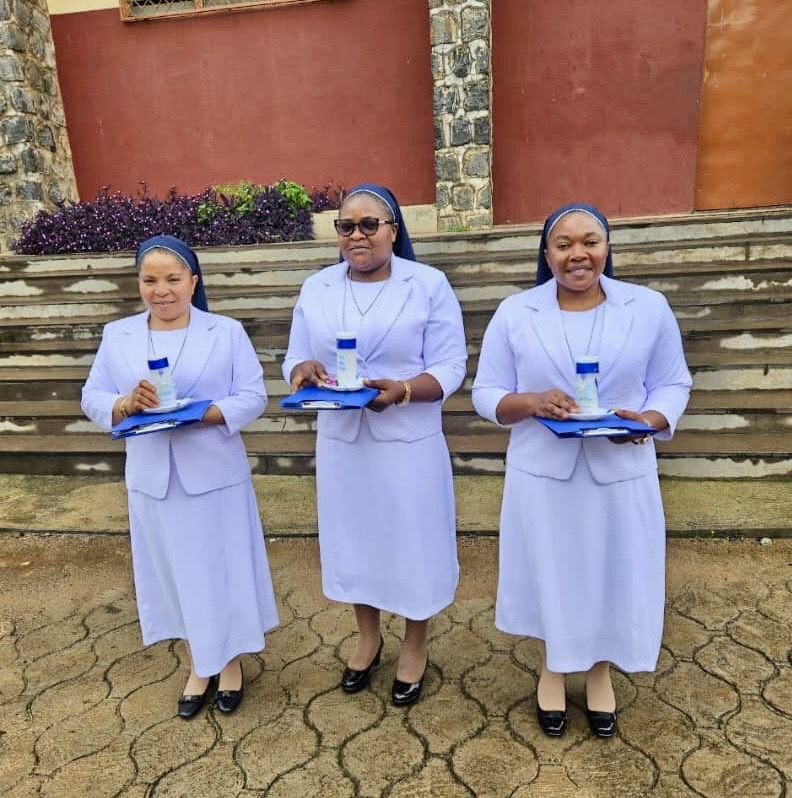
On Saturday, 3 October, we will celebrate a special milestone with three Missionary Sisters of the Holy Rosary — Sr Ngozi Okoli, Sr Mary Kemjei, and Sr Angela Akeje, as they mark 25 years of religious profession of vows.

The Silver Jubilee Mass will be celebrated at the Cathedral of Saints Patrick and Felim in Cavan, Kilmore Diocese, a place deeply connected with the story of our Congregation. It was here, in 1924, that Bishop Joseph Shanahan founded the Missionary Sisters of Our Lady of the Most Holy Rosary. The three sisters, who come from Africa, are now serving in Ireland as part of our Congregation’s international missionary presence.

Bishop Martins Hayes of Kilmore Diocese, who will celebrate the Jubilee Mass, reflects on the continuing significance of their missionary journey: “Their 25 years of dedicated missionary service of Sr Ngozi, Mary and Angela among us is a reminder to us that the Gospel mission of Jesus Christ continues. The call to mission is a constant.”

For Sr. Mary, one of the Jubilarians, her 25-year journey has been one of discovering vocation as a gift and remaining open to where God is leading: “I have come to learn that my vocation is a gift of a generous God to an undeserving soul. The Lord, for reasons known to him, called me and still calls me, enabling me to answer through the ministry he entrusts to me.

Looking to the future, she said, “The God who initiated this journey has stayed with me and assures me that he will never leave me alone.”

Bishop Martins also speaks of the witness of the three Sisters as an invitation to others: “The faithful witness of the Silver Jubilarians among us here in Ireland in their MSHR mission to the world inspires us to discover our calling to mission.”

We look forward to gathering in Cavan to give thanks for Sr Ngozi, Sr Mary and Sr Angela, and their families who gave them generously to the service of the church and humanity.

“Then and Now”

Sr Ngozi Okoli

Sr Angela Akeje

“It is really true what philosophy tells us: that life must be understood backwards. But with this, one forgets the second proposition, that it must be lived forwards.” – Søren Kierkegaard

Author: Sr. Linda Ugwu, MSHR.

Remembering a Sister: A Life of Quiet Service

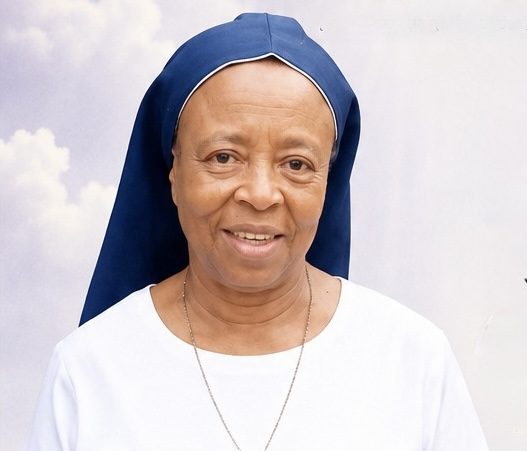
Late Sr Rose Chianakwanam, MSHR (1949 – 2026)

Sr. Rose Chianakwanam spent much of her life caring for others.
As a Missionary Sister of the Holy Rosary, she served as a nurse and midwife, worked in education, supported people living with disabilities and displaced families, and took on leadership responsibilities within her religious community.
Her service took her to different places in Nigeria and brought her into contact with many different people. Those who knew her remember her for the practical care she gave, her sense of responsibility and her life of prayer.

Caring for people through her work

Sr. Rose trained as a nurse and midwife and spent many years working in healthcare.
She also served as Principal of Grimard Nursing School in Anyangba, Nigeria, where she helped establish and develop the school. One former student remembered not only her professional guidance but also the motherly care she showed to those she taught.
Later, at the International Nursery and Primary School in Makurdi, the capital of Benue State in central Nigeria, Sr. Rose became a caring presence for children.
Her nursing skills were also used beyond her regular work. She collaborated with the Red Cross and was willing to help when there was a need.

Reaching people in difficult circumstances

Sr. Rose’s concern for others extended to people living in difficult circumstances.
She worked with people with disabilities in Benue State and supported displaced people living in camps in Makurdi and Guma, an area of the same state.
As her circumstances changed and she could no longer serve in exactly the same way, she continued to look for ways to contribute.
One reflection on her life captured this simply: when she could no longer serve standing, she found a way to serve sitting.
The words speak to her determination to continue giving what she could, even when her circumstances changed.

A woman of prayer

Prayer was an important part of Sr. Rose’s life.
She remembered people in her prayers, especially those who were sick, struggling or grieving. She also prayed for people who had died and offered Masses for their intentions.
She was known as someone who encouraged peace and reconciliation when relationships became difficult. For younger Sisters, she offered guidance and encouragement, often reminding them of their faith and their relationship with Jesus.

Faithfulness in everyday responsibilities

Sr. Rose also took seriously the ordinary responsibilities entrusted to her.
She believed that things placed in her care should be handled properly and accounted for. Even small matters received her attention.
Her years of service included membership of the Congregation’s Regional Council, where she took part in the leadership and life of the Missionary Sisters of the Holy Rosary.
She was willing to work with different leaders and to accept guidance, including from Sisters who were younger than herself.

Remembering Sr. Rose

Sr. Rose’s life included many different forms of service.
She was a nurse and midwife.
She was an educator.
She served in leadership.
She supported people living with disabilities and people displaced from their homes.
She was a woman of prayer.
She encouraged peace and offered guidance to others.
These different parts of her life were connected by a willingness to care for people and to serve where she was needed.
For the Missionary Sisters of the Holy Rosary, remembering Sr. Rose is an opportunity to give thanks for her life and for the many people she accompanied through her years of service.
Her story is also a reminder that service does not always look the same throughout a person’s life. Sometimes it is caring for a patient or teaching a student. Sometimes it is helping a child, supporting someone in difficult circumstances, offering guidance or simply taking care of a responsibility that has been entrusted to you.
Sr. Rose found different ways to serve throughout her life.
We remember her with gratitude for the people she cared for, the work she gave herself to and the life she shared with others.
May she rest in peace.

Author: Sr Afoma Osigwe, MSHR

Standing with Migrants in Difficult Times

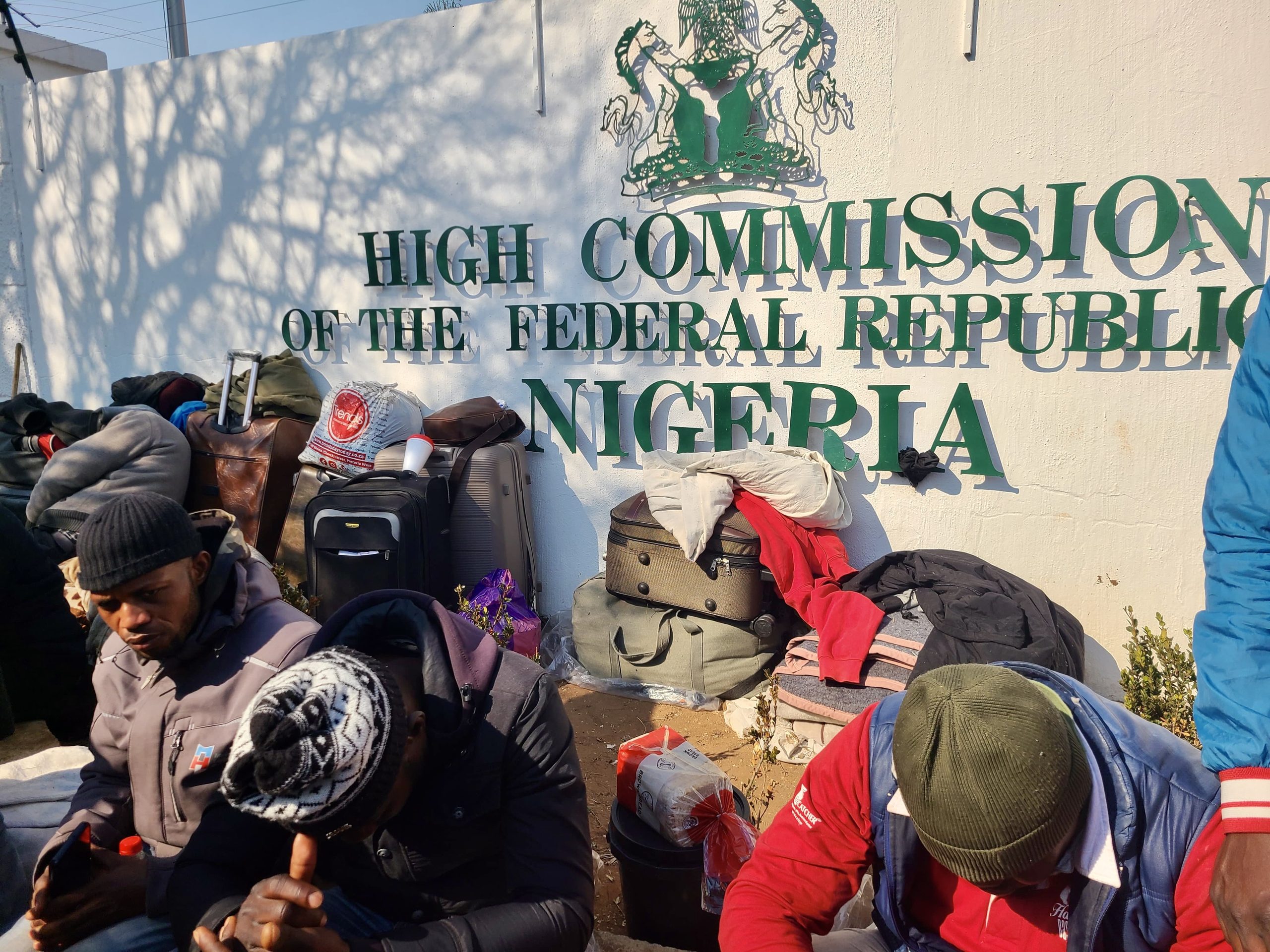
Migrants stuck at the Nigerian Embassy in Pretoria

For more than a month, more than 30 Nigerians had been sleeping outside their embassy in Pretoria during the South African winter. They were among migrants caught in a difficult situation, uncertain about when or how they would return home.
Their situation was part of a wider crisis affecting foreign nationals in South Africa. Following violent protests calling for foreigners to leave the country, some migrants travelled to their embassies hoping to find a way home.
The Office for the Pastoral Care of Migrants and Refugees and Human Trafficking in the Archdiocese of Pretoria responded with practical support.
On 21 July 2026, the team visited more than 100 Malawian migrants who were staying temporarily at the Malawian Embassy. They were waiting for a bus to take them home. The team brought emergency supplies, including food, drinks and socks. Afterwards, they visited the Nigerian Embassy to see what was happening there.
A week later, on 28 July, the team returned to the Nigerian Embassy. The situation of the Nigerians had been uncertain, but there was now some good news. The Nigerian government had begun the process of helping those remaining return home.
The news brought visible relief and joy among the migrants.

Responding to Vulnerability

The same ministry also turned its attention to the growing concern around human trafficking.
Ahead of the World Day against Trafficking in Persons on 30 July, the team held an awareness session at Christ the King Parish, Queenswood, on 26 July. Led by Sr. Franka Suinyuy, Coordinator of Caritas in the Archdiocese of Pretoria, the session helped parishioners understand how people can become victims of trafficking, including through online means and other forms of exploitation.
The team also shared ways people can protect themselves and others.
For those involved in this ministry, responding to vulnerable people can take many forms. Sometimes it means providing food and warm clothing. Sometimes it means helping people find a way home. And sometimes it begins by helping people recognise a danger before it happens.
At the heart of each response is a simple concern: that every person should be treated with dignity and have the opportunity to live in freedom and safety.

Author: Sr Mary Orinya, MSHR

A New Chapter in Donkorkrom

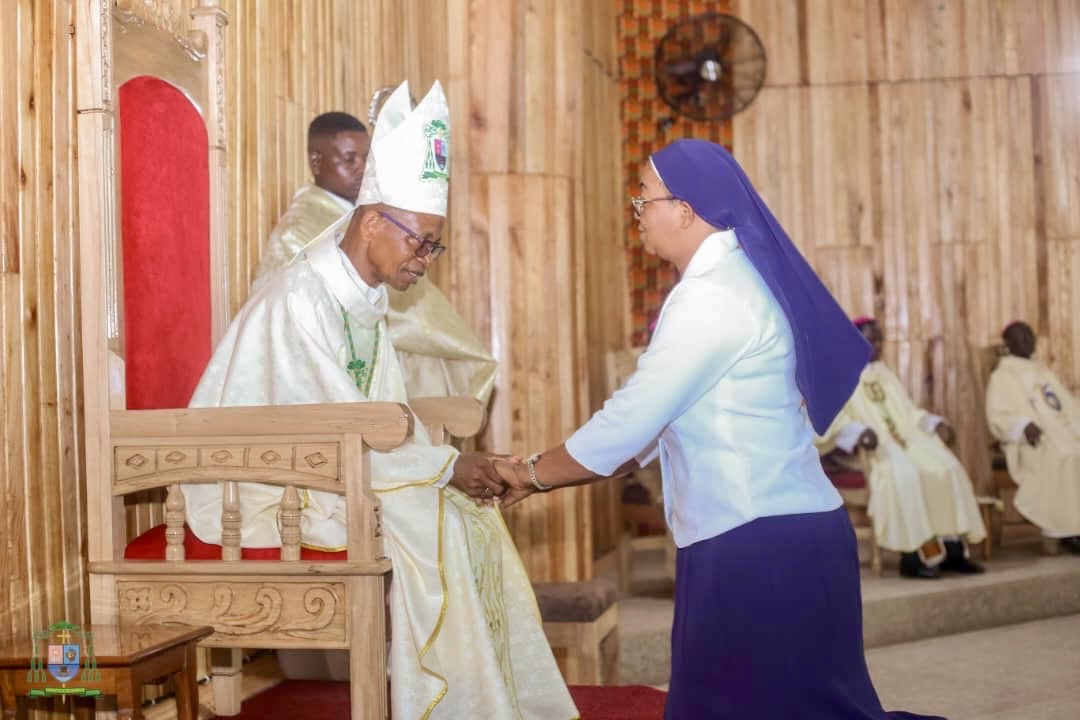
Sr. Nkechi Oraebosi, the regional head of MSHR in Ghana, congratulates the newly appointed bishop 

On 8 August 2026, the Catholic community of Donkorkrom, Ghana, celebrated a significant moment with the installation of Most Rev. John Alphonse Asiedu, SVD, as the first Bishop of the newly established Diocese of Donkorkrom.
For the Missionary Sisters of the Holy Rosary, the occasion carried a particular meaning. The Sisters have been part of the life of Donkorkrom since 2010, serving in health, education, social communication and pastoral ministry.
They were also involved in preparing for the installation, serving on the Music, Communication and Health committees.

Part of the Journey

The Sisters’ presence in Donkorkrom began when they were invited by Most Rev. Gabriel Edoe Kumordji, SVD, then Apostolic Vicar of Donkorkrom. Since their arrival, they have worked alongside priests, religious and lay faithful in serving the local community.
The creation of the new diocese is therefore more than a new chapter for the Church. For those who have been part of its journey, it is also a moment to recognise the growth of faith and the contribution of many people who have helped build the local Church.
The Congregational Leader of the Missionary Sisters of the Holy Rosary, Sr. Franca Onyibor, sent a goodwill message on behalf of the Sisters worldwide. She congratulated Bishop Asiedu and expressed the Congregation’s joy at having been part of the journey since its arrival in Donkorkrom.
She prayed that faith, hope and charity would continue to grow throughout the new diocese and that it would be a place where people are welcomed with compassion and love.

Celebrating Together

The installation brought together bishops, priests, religious, lay faithful and other guests from within and beyond the diocese. The Sisters working in Ghana joined the priests and religious of the diocese in the celebration and paid allegiance to the new Bishop.
Sr. Ekwutosi Onyeke, MSHR, who was in Donkorkrom at the time, also joined the Sisters for the occasion.
After the installation, Most Rev. Peter Kwaku Atuahene, Bishop of Goaso and Episcopal Chairman for the Department of Social Communications, and Most Rev. Gabriel Edoe Kumordji, SVD, Bishop of Keta-Akatsi, visited the Holy Rosary Sisters’ convent at Asikasu-Donkorkrom.
For the Sisters, the celebration was both a welcome to a new Bishop and an opportunity to appreciate the journey that has brought the Church in Donkorkrom to this new stage.

Sr Sylvie Lum Cho, MSHR.

Photo: Sr Sylvie Lum Cho.

Three Sisters Make Their Final Profession

Three new finally professed sisters
From left to right: Sr. Tamngwa Caroline Bila, Sr. Tardzenyuy Shella Yenyuy, and Sr. Ndeyenou Sylvie Shousgha 

On 29 August 2026, three Missionary Sisters of the Holy Rosary made their final profession of vows in Bamenda, Cameroon, marking a significant step in their commitment to missionary religious life.
Sr. Tamngwa Caroline Bila, Sr. Tardzenyuy Shella Yenyuy and Sr. Ndeyenou Sylvie Shousgha are all from Cameroon, but their missionary service takes them to different places: Kenya, Southern Nigeria and Cameroon.
Family members, priests, religious, friends, benefactors, collaborators and members of the local Church gathered to celebrate with them. The occasion also marked the 40th anniversary of the first religious profession of vows of Sr. Dorothy Ngozi Agbasielo, Regional Leader of the Cameroon Region.

A Call to Persevere

During his homily, the Archbishop of Bamenda reflected on the martyrdom of St John the Baptist and encouraged the three Sisters to remain faithful when faced with difficulties and persecution.
He urged them not to give up, but to rely on God’s grace throughout their journey. He also pointed to Sr. Dorothy’s 40 years of religious profession as a witness that a lifelong commitment to religious life is possible.
He prayed that the newly professed Sisters would live happy and fulfilled lives in their vocation.

Faith, Family and Culture

The celebration continued beyond the Mass with music, dancing and a rich expression of culture.
One of the highlights was a traditional Nso feeding ritual. The mothers of the newly professed Sisters fed them a traditional meal while family and friends sang and danced.
In Nso culture, the ritual expresses the hope that a woman who is well fed will, in turn, feed her family well. In the celebration, it also became a meaningful symbol of the Sisters’ call to nourish others through their missionary service and the Gospel.
The day brought together faith, family and culture as the three Sisters began this new stage of their missionary journey.

Screenshot: The Feeding Ceremony

Author: Sr. Mary Ndive, MSHR.

Listening to Creation

Sr Samba tuning into creation

Sr Samba Sakungo, a Missionary Sister of the Holy Rosary, is currently on a sabbatical programme at the East Asian Pastoral Institute. She shares how the morning songs of the birds have become a quiet part of her prayer and reflection.

Each morning at the East Asian Pastoral Institute, before the activities of the day begin, the birds sing. Their songs fill the morning air and gently draw my attention away from myself and towards the world around me.
As I listen, I realise that the morning does not begin with me. Creation is already awake. The birds are singing, the trees are standing, the wind is moving through the leaves, and life is unfolding all around me.

I am simply being invited to notice.


These early mornings have become a moment of prayer for me. I pause. I listen. I breathe. I receive.
The birds remind me that I am part of something much larger than myself. I belong to a living community of birds, trees, wind, water, people and all God’s creatures. Their songs awaken in me a deeper sense of gratitude and wonder.
There is something beautiful about hearing the birds before the noise of the day begins. Their singing seems to say, “Be present. This moment is a gift.” They do not seem to worry about what the day will bring. They simply sing from where they are.
This is one of the gifts EAPI is offering me during this season of my life: the grace to slow down and listen.


Listening to the birds has also helped me understand ecological conversion differently. It is not only about changing what I do; it is about changing how I see and how I relate. I am learning to recognise creation not as something outside me, but as a community of life to which I belong.


So, each morning, I allow the birds to wake something within me.
They awaken gratitude.
They awaken wonder.
They awaken attentiveness.
They awaken my responsibility to care for our common home – the earth.
And before the activities of the day begin, I whisper within my heart:
“Thank you, God, for this morning.
Thank you for the birds that sing before I speak.
Thank you for the gift of life.
Teach me to listen, to receive, and to care.”


At EAPI, the morning birds have become more than background sounds. They have become my companions in prayer and teachers of presence.

Birds singing. Image generated using Adobe Firefly

Author: Sr Samba Sakungo, MSHR.

Follow us on social media:

Karzah Community Secures Customary Land Deed

Women secure land rights in Liberia

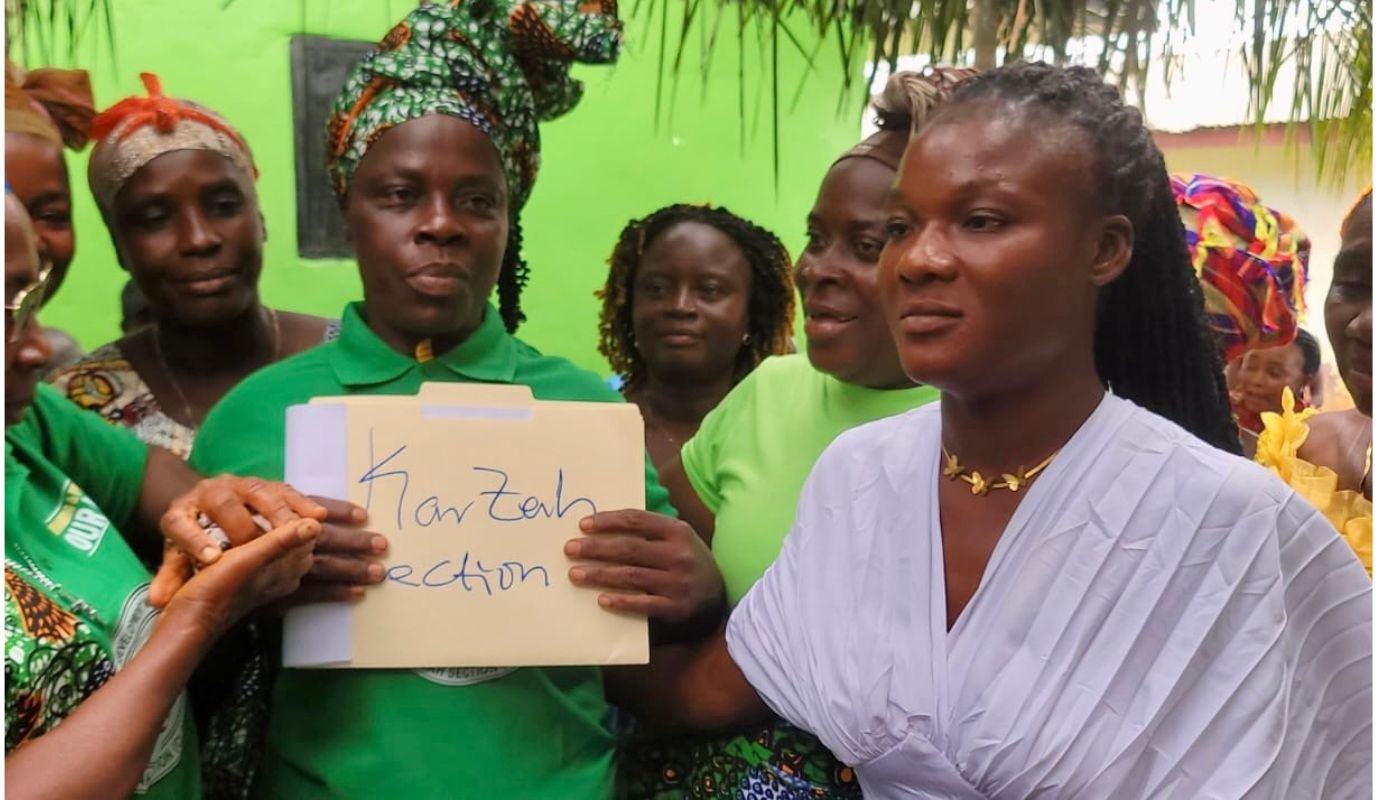
For the people of Karzah in Lofa County, Liberia, securing their customary land deed is an important step towards protecting their land and having a stronger voice in decisions about its future.
The achievement came through years of community advocacy, awareness-raising and dialogue, supported by the Missionary Sisters of the Holy Rosary through Social Empowerment Through Learning (SELL MSHR).
The project was made possible through collaboration and generous funding from Irish Aid via ForumCiv, with technical support from the Liberia Land Authority.
But the land deed is only part of the story.

Women Finding Their Voice

One of the most significant changes has been the growing participation of women in decisions about community land.
Through sustained community dialogue, women began challenging traditional barriers that had prevented them from speaking about land matters in the presence of men. They also took an active role in protecting their community’s land, including speaking out against illegal mining and unauthorised logging.
Their growing involvement opened the way for stronger female leadership.
A woman was appointed Chairperson of the Community Land Development and Management Committee (CLDMC), a committee made up of equal numbers of women and men.
Her appointment reflects a significant change: women are taking an active role in decisions about their community’s land and future.

A Shared Achievement

SELL MSHR was founded by the Sisters to respond to the needs of marginalised people. In Karzah, the work brought together community members, civil society, government institutions and development partners around a shared goal.
The presentation of the customary land deed marks an important milestone, but its value goes beyond the document itself. It represents greater participation, stronger local leadership, and a community better placed to protect its land.
For Karzah, it is a reason to celebrate—and a foundation for the work ahead.

Author: Sr. Amaka Muokwe, MSHR.